Supplement Resources - SuppCo versus Nutrient Navigator
Searching for supplements can feel overwhelming, especially with bold marketing claims around hormones, sleep, gut health and midlife wellbeing. This guide compares SuppCo and Nutrient Navigator — two platforms designed to help women research supplements more effectively — and explains how to use both strategically before making a purchase.
Read More
Exercise, Perimenopause & the Body: What Matters for Active Women
Explore how exercise supports active women through perimenopause — improving recovery, symptoms and quality of life — with evidence from recent trials and reviews.
Read More
How the Menstrual Cycle Affects Women in Sport — And What You Can Do to Stay Injury-Free
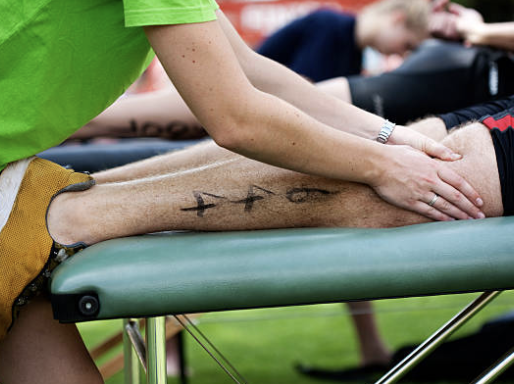
The menstrual cycle influences far more than mood or energy levels — it plays a significant role in how women move, recover, and respond to training. Emerging research in female athletes shows that hormonal changes across the cycle can affect muscle coordination, fatigue, and injury risk, particularly in the pre-menstrual and luteal phases. Understanding these patterns allows women to train smarter, recover more effectively, and reduce preventable injuries. This article explores the latest science and how cycle-aware recovery, including sports massage, can support active women at every stage of the cycle.
Read More
Why Women’s Sports Rehab Needs a Different Approach: What the FAIR Consensus Tells Us
The FAIR Consensus highlights why women need a more individualized approach to sports rehabilitation. Learn how evidence-based sports massage and rehab can support injury prevention, recovery, and long-term performance.
Read More
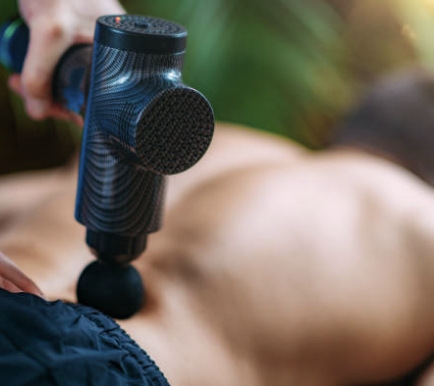
Why Foam Rolling Isn't Enough For Recovery - And What Actually Helps Athletes Recover Faster
Foam rolling often feels helpful, but for many athletes it doesn’t solve recurring tightness or movement restrictions. This article explains why foam rolling falls short and what truly helps the body recover, move better, and stay injury-free.
Read More
What I See in 90% Of Injured Clients
If you’re dealing with recurring tightness or sports injuries, the issue may not be where you feel the pain. Discover how sports massage helps address the real causes of injury and supports better recovery in High Wycombe.
Read More
Most runners stretch wrong—here’s why
Do you stretch every day but still struggle with tight calves, sore hamstrings, or cranky hips? Many runners stretch wrong—and it can make tightness worse. Discover why stretching alone isn’t enough and how smarter recovery can help you move and run better.
Read More
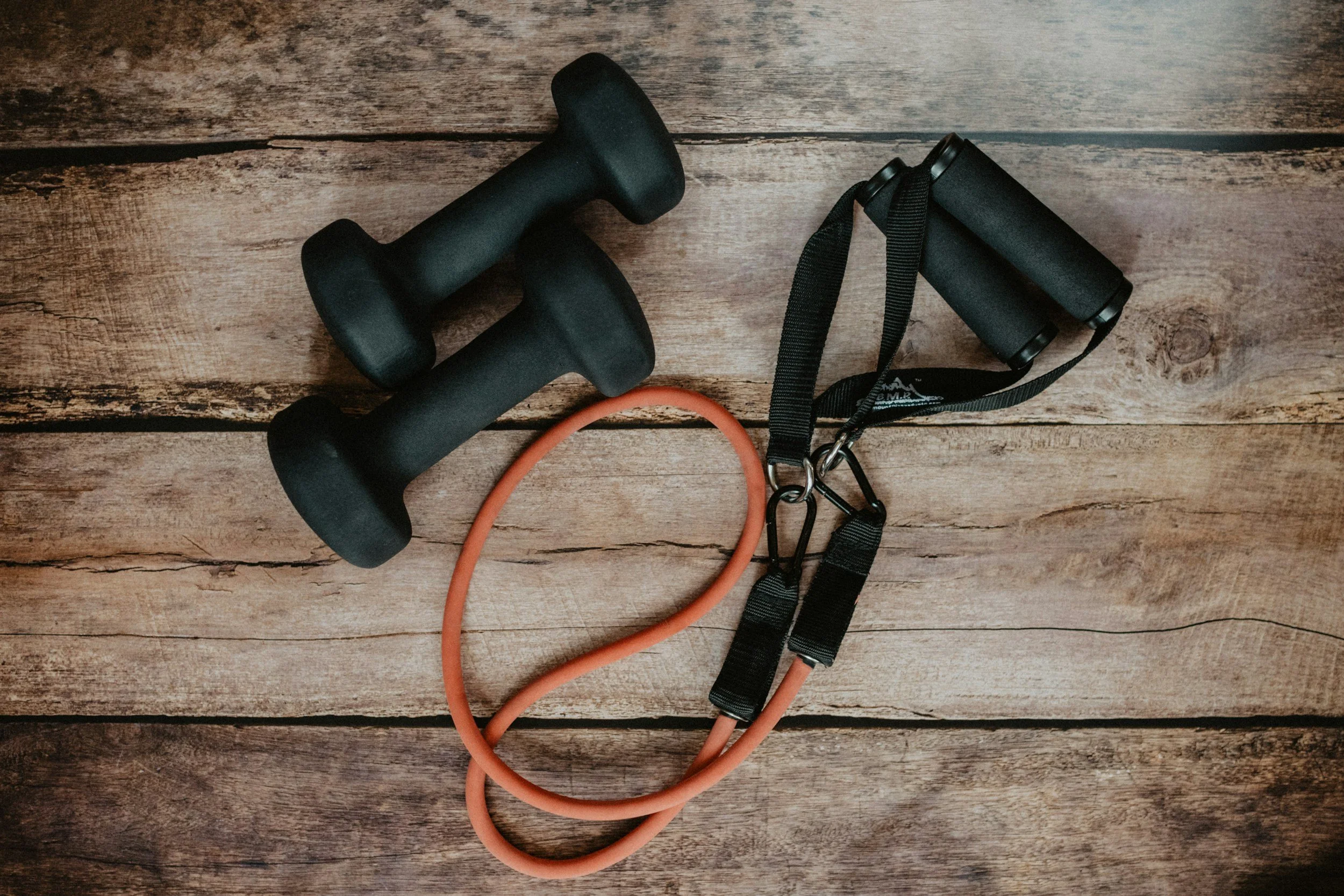
Why Resistance Training Should Be Part of Your 2026 Training Programme
Resistance training is a cornerstone of any 2026 training programme, helping build muscle, strengthen joints, and boost metabolism for long-term health and performance. Incorporating regular strength work enhances functional movement, reduces injury risk, and supports both physical and mental resilience.
Read More